

If you want to learn how to use koala ai, this guide walks you through the setup, workflow, and best ways to get useful results.
Affiliate disclosure: This article may contain affiliate links. If you purchase through these links, we may earn a commission at no additional cost to you.
Introduction
Koala AI is designed to help creators, bloggers, affiliate marketers, and website owners produce content more efficiently. It is especially popular with people who want to create SEO-focused articles without spending hours staring at a blank page.
The tool can speed up outlining, drafting, and expanding ideas, but getting good results still depends on how you guide it. Like most AI writing tools, it works best when you treat it as an assistant rather than a complete replacement for strategy and editing.
In this article, you will learn the core workflow, the main features worth using, and the habits that make the tool far more useful in real-world content production.
Use Special 15% Discount Code
IPQLSLJT

Personal Insight
What stands out about Koala AI is how quickly it can turn a rough topic into a usable first draft. In practice, the time savings are real, but the biggest wins usually come from editing, structuring, and adding your own perspective after the draft is generated. When used with a clear content plan, it becomes much more helpful than when used for random article creation.
What Is Koala AI and Who Is It For?
Koala AI is an AI writing platform built to help users create long-form content, blog posts, product-focused articles, informational guides, and other web content. It is commonly used for SEO content because it aims to simplify the process of generating article structure, headings, and readable copy.
The tool is a strong fit for:
- Bloggers building niche sites
- Affiliate marketers creating content at scale
- Freelance writers who want a faster drafting process
- Small business owners publishing educational blog content
- Content teams that need a more efficient workflow
It may be less suitable for highly technical writing, legal content, medical content, or brand-sensitive copy that requires strict factual review and deeper subject expertise.
Key Features That Matter Most
Long-form article generation
One of Koala AI’s main strengths is generating complete article drafts based on a title, keyword, or topic prompt. Instead of producing only a few paragraphs, it can create a fuller structure with sections and subheadings that feel closer to a publishable article.
SEO-oriented workflow
The platform is often used for search-driven content. This includes building articles around a target topic, organizing heading structures, and creating content that is easier to scan and edit for on-page SEO.
Outline support
Rather than starting with a blank page, you can use Koala AI to build an outline first. This gives you more control over article direction and makes the final draft more aligned with user intent.
Faster first drafts
If your biggest bottleneck is getting started, Koala AI can be especially useful. It helps turn notes or broad ideas into a working draft that you can improve instead of writing everything from scratch.
Content expansion and rewriting
It can also help improve weak sections, expand short paragraphs, rewrite awkward text, or generate alternative versions of intros, conclusions, and transitions.
Scalable production
For websites publishing multiple articles each week, the tool can support a repeatable content system. This is often where Koala AI shows the most practical value.
Use Special 15% Discount Code
IPQLSLJT

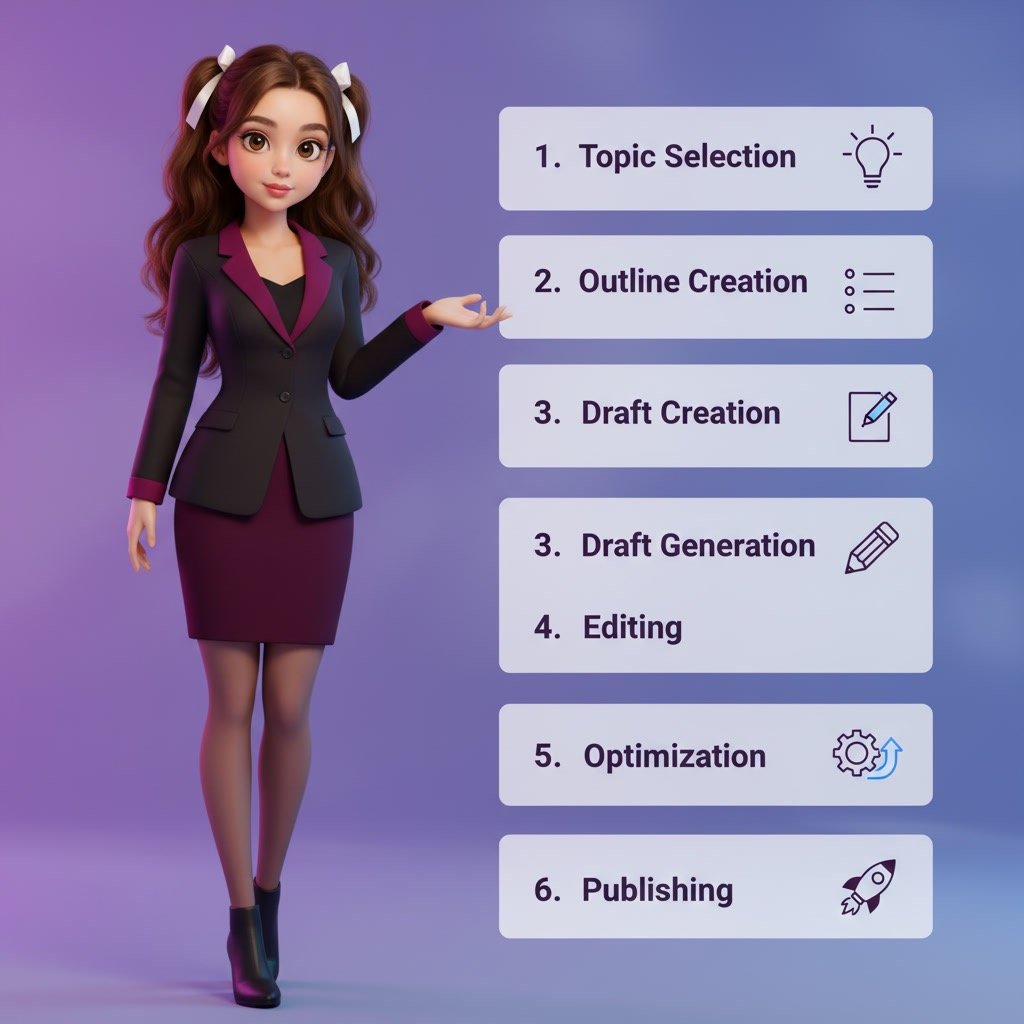
How to Use Koala AI Step by Step
1. Start with a clear topic
Before generating anything, decide exactly what the article should accomplish. A vague topic usually creates vague output. A focused prompt works better, especially when tied to a clear search intent such as informational, commercial, or tutorial content.
For example, instead of entering a broad topic like “email marketing,” narrow it to something like “how to build an email welcome sequence for beginners.” The more specific the goal, the more useful the draft tends to be.
2. Choose the right article angle
Think about what the reader actually wants. Are they looking for a tutorial, a checklist, a product comparison, or an explanation of a feature? Matching the angle to the reader’s intent is one of the easiest ways to improve output quality.
3. Build or review the outline first
If Koala AI generates an outline, do not accept it blindly. Review the heading flow and check whether the article answers the most important questions in the right order. A strong outline creates a strong draft. A weak outline usually leads to editing problems later.
This is a good point to add missing sections, remove filler topics, and make sure the structure supports the search intent behind the article.
4. Generate the first draft
Once the topic and outline are in place, generate the article draft. At this stage, focus less on perfection and more on whether the content is directionally correct. You want a draft that is useful enough to refine, not something that must be copied and pasted without review.
5. Edit for clarity and accuracy
This is the most important stage. Read through the content carefully and improve the areas that sound generic, repetitive, or too broad. Check facts, improve examples, tighten transitions, and remove any statements that feel uncertain or inflated.
You should also rewrite sections that need a more human tone or stronger practical value. AI drafts often become much better after one serious editing pass.
6. Add your own expertise
To make the article more useful and more competitive, add original insights, simple examples, personal observations, or process notes from your own experience. Even a few lines of real-world context can make the article more trustworthy and more engaging.
7. Optimize for readability
Break up long paragraphs, use helpful subheadings, simplify awkward sentences, and remove repeated ideas. Most readers scan first, so structure matters as much as wording.
8. Finalize for publishing
Before publishing, add a polished title, meta description, internal links where appropriate in your CMS strategy, images, and any needed disclosures. Then do one last read to make sure the article sounds natural and helpful from beginning to end.
Use Cases for Koala AI
Blog post creation
Koala AI works well for informational blog articles, especially when you already know the topic and want help moving from idea to draft quickly.
Affiliate content support
It can help with educational articles that support affiliate pages, such as tutorials, use case guides, and product-related blog content. It is best used to build helpful supporting content rather than thin promotional pages.
Content refreshes
If an older article needs expansion or restructuring, Koala AI can help refresh sections, improve flow, and suggest missing angles.
Topic cluster publishing
For sites using a cluster strategy, the tool can support supporting articles around a core pillar topic. That makes it useful for building topical depth across related posts.
Drafting from research notes
If you already have source material, bullet points, or competitor analysis, Koala AI can help turn scattered notes into a coherent article framework.
Best Practices for Better Results
Be specific with prompts
Specific instructions usually produce stronger drafts. Include the audience, article purpose, tone, and major points you want covered.
Edit every draft
Even when the first draft looks solid, editing is still necessary. This is where you improve credibility, remove filler, and shape the article into something worth publishing.
Use AI for speed, not autopilot
Koala AI is most useful when it saves time on repetitive drafting work. It is less effective when used as a full autopilot publishing system without review.
Match the tool to the content type
Simple tutorials, explainers, and blog posts are usually a better fit than highly regulated or deeply technical topics. Choosing the right type of content helps you get more reliable output.
Keep your brand voice in the final edit
AI-generated text can sound neutral by default. During revision, adjust the wording so it fits your site’s tone and audience expectations.
Check search intent before publishing
A well-written article can still underperform if it does not match what readers expect from the keyword. Make sure the format and depth fit the topic.
Common Mistakes to Avoid
Using broad prompts
Broad prompts often create surface-level content. If the topic is too wide, the result may feel generic and less useful.
Publishing without fact-checking
AI tools can produce inaccuracies or outdated claims. Always verify important details before publishing, especially in product, financial, health, or technical content.
Leaving in repetitive phrasing
Some AI drafts repeat ideas in slightly different ways. Tight editing helps remove this and makes the article easier to read.
Ignoring originality
If you rely only on generated text, the content may sound similar to many other articles online. Add your own examples, conclusions, and editorial judgment.
Forgetting the user
It is easy to focus on output speed and lose sight of usefulness. The article still needs to solve a problem clearly for a real reader.
Overlooking formatting
A solid draft can still feel weak if it is poorly formatted. Subheadings, paragraph spacing, and clean structure all improve readability.
FAQ
Is Koala AI easy for beginners to use?
Yes, most beginners can start using it quickly. The platform is generally straightforward, especially for generating outlines and first drafts. The bigger learning curve is understanding how to prompt well and edit the output properly.
Can Koala AI write full blog posts?
Yes, it can generate full blog post drafts. However, the best results usually come from reviewing the outline first and then editing the final draft for clarity, accuracy, and originality.
Is Koala AI good for SEO content?
It can be useful for SEO-focused articles, particularly when you are creating structured informational content. Still, good SEO results depend on search intent, topic selection, quality editing, internal site structure, and overall content strategy.
Do I still need to edit content created with Koala AI?
Yes. Editing is essential. You should review facts, improve tone, add examples, and make sure the article actually helps the reader.
Can Koala AI replace a human writer?
For most serious content projects, no. It can reduce drafting time and support production, but human judgment is still needed for strategy, accuracy, voice, and final quality control.
What kind of content works best with Koala AI?
It tends to work best for blog posts, tutorials, supporting SEO articles, simple explainers, and content cluster pieces where speed and structure matter.
Final Verdict
Koala AI is a practical tool for turning content ideas into usable drafts faster, especially for bloggers, affiliate marketers, and site owners building SEO content. Its real value comes from speeding up the early stages of writing while still leaving room for human editing, strategy, and expertise. If you want a more efficient content workflow and you are willing to review and refine what it creates, it can be a strong fit.
Recommended Guides
- koala ai features explained
- koala ai pros and cons
- Koala AI Tutorial (2026): How to Create SEO Articles Step-by-Step – SOF Solutions Hub – AI Tools & Marketing Software
- how to write seo articles with koala ai
- how to generate long form content with koala ai
- koala ai content strategy guide
- how to scale content production with koala ai
Use Special 15% Discount Code
IPQLSLJT