

ActiveCampaign for coaches is about using automation, email marketing, and contact management to support a more organized coaching business.
Affiliate disclosure: This article may contain affiliate links. If you purchase through these links, we may earn a commission at no additional cost to you.
Introduction
Coaches often wear too many hats at once. You may be serving clients, booking discovery calls, following up with leads, sending reminders, managing nurture emails, and trying to keep your marketing consistent at the same time.
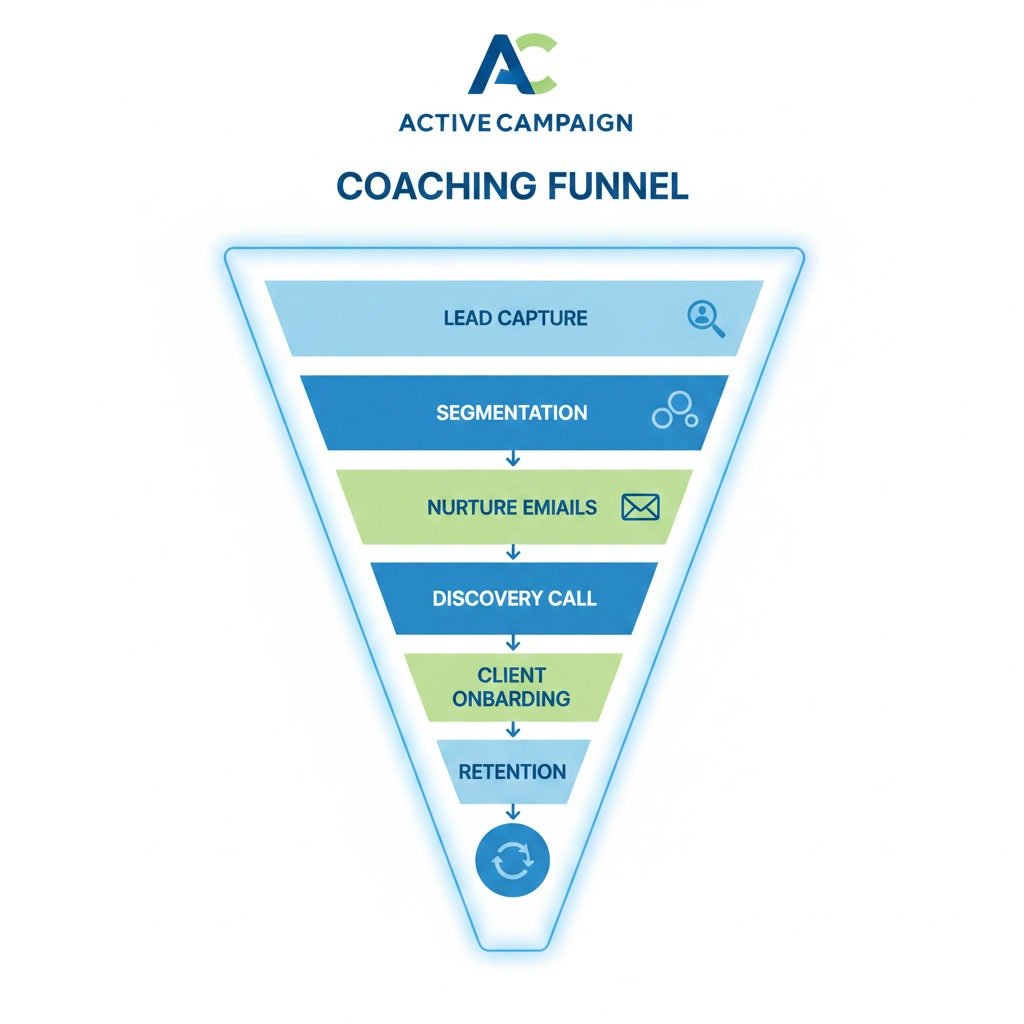
That is where a platform like ActiveCampaign can become genuinely useful. Instead of relying on scattered tools and manual follow-up, coaches can build a more structured system for lead capture, onboarding, communication, and client retention.
This article looks at how ActiveCampaign fits the coaching business model, which features matter most, where it works best, and how to use it without making your setup more complicated than it needs to be.
Personal Insight
One of the biggest patterns in coaching businesses is that growth often stalls because follow-up is inconsistent, not because the offer is weak. A good system does not replace your personal connection, but it does protect it by making sure leads and clients do not get overlooked. For coaches, ActiveCampaign tends to work best when it supports relationship-building rather than trying to automate every human interaction.

What Is ActiveCampaign for Coaches?
ActiveCampaign is a marketing automation and email platform that can also function as a light CRM for service-based businesses. For coaches, that means it can help you collect leads, tag contacts based on interest, send personalized email sequences, trigger reminders, and move people through a defined journey from inquiry to booked call to paying client.
Unlike a basic email tool, ActiveCampaign gives you more control over timing, segmentation, and automation logic. That matters in coaching because not every lead is at the same stage. Some people are just discovering your content, some are considering a consultation, and others are ready for a program or package right away.
When set up well, the platform becomes a central communication hub. It can support your lead magnet funnel, webinar follow-up, sales call reminders, onboarding emails, client check-ins, and re-engagement campaigns without requiring you to manually send everything yourself.
Key Features Coaches Will Actually Use
Email automations for lead nurturing
Most coaching businesses depend on trust. People rarely buy after one touchpoint, especially for higher-ticket programs. ActiveCampaign allows you to create automated nurture sequences that educate, build confidence, answer common objections, and invite leads to take the next step.
For example, when someone downloads a guide or signs up for a workshop, you can automatically send a welcome email, a few value-based follow-ups, a client story, and a call booking invitation over several days.
Segmentation for different coaching offers
Many coaches serve more than one audience or offer more than one path. You may have private coaching, group coaching, a course, or a membership. ActiveCampaign helps you segment contacts so that people receive messaging that fits their interests and stage of readiness.
This keeps communication relevant. Someone interested in executive coaching should not receive the same sequence as someone looking for health coaching support unless there is genuine overlap.
Forms and lead capture
You can use ActiveCampaign forms to collect leads from your website, landing pages, or content offers. Once someone opts in, they can be tagged, added to a list, and entered into an automation immediately.
This is useful for coaches who want a smoother path from visitor to subscriber without needing several disconnected tools.
CRM-style contact management
Coaches who book discovery calls or sales conversations can use ActiveCampaign to track where each lead stands. Even if you do not use the sales pipeline deeply, having notes, tags, and visible contact activity in one place makes follow-up far easier.
You can quickly see who opened emails, clicked booking links, signed up for a webinar, or completed a form.
Appointment and reminder workflows
Missed calls and cold leads often come down to simple communication gaps. With automation, coaches can send reminders before calls, prep instructions before sessions, and follow-up emails afterward. These touchpoints improve the client experience while reducing manual admin.
Integrations with your existing stack
Most coaches already use other tools such as scheduling software, landing page builders, payment platforms, or course systems. ActiveCampaign becomes much more useful when it is connected to that wider setup, allowing contacts and actions to trigger the right workflows at the right time.

Use Cases for Coaching Businesses
Lead magnet to discovery call funnel
This is one of the most common coaching workflows. A visitor downloads a resource, receives a short nurture sequence, and then gets invited to book a consultation. Tags and engagement data can help you identify the warmest leads and tailor follow-up based on interest.
Webinar or workshop follow-up
If you run live or recorded workshops, ActiveCampaign can handle registration confirmation, reminder emails, replay access, and post-event follow-up. You can even send different messages to those who attended versus those who registered but did not show up.
Client onboarding
Once a client signs up, onboarding can feel much more polished with automation. You can send welcome emails, intake forms, scheduling details, next steps, and orientation materials in a clear sequence. That creates confidence early and saves time.
Re-engagement for cold leads
Not every lead converts right away. Coaches often have people in their audience who were interested months ago but never took action. A re-engagement campaign can bring these contacts back into conversation with updated offers, fresh content, or a timely invitation.
Upsell and retention communication
After clients complete one offer, ActiveCampaign can help you stay connected. You can invite them into a longer-term program, offer a renewal, share relevant resources, or request feedback and testimonials. Retention often grows when communication stays intentional after the initial package ends.
Best Practices for Getting Better Results
Start with one clear journey
The easiest mistake is trying to automate everything at once. A better approach is to build one core journey first. For most coaches, that is usually the path from lead capture to nurture to consultation booking.
Once that system works, you can expand into onboarding, retention, and re-engagement.
Write like a coach, not like software
Automation should not make your communication sound distant. The strongest coaching emails still sound personal, calm, and relevant. Use clear language, natural subject lines, and messaging that reflects how you actually speak to clients.
Short, thoughtful emails often perform better than long, polished sequences that feel overly scripted.
Use tags carefully
Tags can be powerful, but they can also become messy fast. Create a simple naming structure and only track what you will truly use. Good examples include lead source, offer interest, client status, and engagement level.
If your tags become cluttered, segmentation becomes harder instead of easier.
Build around your real sales process
Do not copy a generic funnel if it does not match how you sell. Some coaches convert through discovery calls, while others convert through content, webinars, or direct applications. Your automations should reflect your actual client journey, not an imagined one.
Review performance regularly
Even simple automation needs maintenance. Check open rates, click rates, booking rates, and drop-off points. If people stop engaging after the second email, that is useful feedback. If leads click but do not book, your call-to-action may need work.
Common Mistakes Coaches Make With ActiveCampaign
Overbuilding before validating
It is easy to spend too much time building complex workflows before confirming that the core offer and messaging are working. Coaches get better results when they validate a simple funnel first and improve it based on actual contact behavior.
Sending the same message to everyone
One broad email sequence rarely works for a diverse coaching audience. If your contacts have different goals, awareness levels, or service interests, segmentation matters. Relevance usually improves trust and conversions.
Automating without personal checkpoints
Coaching is still a relationship-driven business. If every message is automated and no personal reply ever appears, leads may lose connection. Use automation to support your process, but keep room for direct outreach where it matters most.
Ignoring onboarding
Many coaches focus heavily on lead generation and forget about what happens after someone pays. Onboarding is one of the easiest areas to improve with automation, and it has a direct effect on satisfaction, retention, and referrals.
Not cleaning the list
A list full of disengaged contacts can reduce reporting quality and hurt performance over time. It is worth reviewing inactive subscribers, adjusting your re-engagement process, and keeping your audience healthier overall.
When ActiveCampaign Makes Sense for Coaches
ActiveCampaign is a strong fit for coaches who have repeatable offers and want a better system for lead follow-up, nurturing, and client communication. It is especially useful if your business relies on email marketing, webinars, applications, or discovery calls.
It may be more than you need if your audience is still very small and you are only sending occasional newsletters. But once you are managing multiple offers, audience segments, or onboarding steps, the platform becomes much more valuable.
The key is not using every feature. The key is using the right features to remove friction from your business while keeping the experience personal.
FAQ
Is ActiveCampaign good for life coaches and business coaches?
Yes. It works well for both because the core need is similar: capturing leads, building trust through email, booking calls, and guiding people into the right offer. The setup may differ, but the system is useful for many coaching models.
Can coaches use ActiveCampaign without a large team?
Yes. Solo coaches and small teams can use it effectively, especially if they focus on one or two core automations first. You do not need a complex setup to get value from it.
Does ActiveCampaign replace scheduling software?
Not usually. Most coaches still use a separate scheduling tool, but ActiveCampaign can connect to it and automate reminders, follow-up, and lead tracking around booked appointments.
What is the best first automation for a coach to build?
The best first automation is usually a welcome and nurture sequence tied to a lead magnet or inquiry form. It helps you follow up consistently and moves leads toward a consultation or application.
Can ActiveCampaign help with client retention?
Yes. It can support retention through onboarding workflows, check-in emails, renewal reminders, progress prompts, and post-program follow-up. These automated touchpoints help clients stay connected and supported.
Final Verdict
ActiveCampaign can be a very good fit for coaches who want more structure without losing the personal feel that makes coaching effective. Its value comes from helping you organize communication, follow up consistently, and create a smoother path from first contact to long-term client relationship.
If you are a coach with a clear offer, a growing email list, and repeated manual tasks around lead nurturing or onboarding, this platform is worth serious consideration. It works best for coaches who want a reliable system behind the scenes while still keeping their client experience human and thoughtful.
Recommended Guides
- Activecampaign Pricing Explained
- Activecampaign Alternatives
- Is Activecampaign Worth It
- ActiveCampaign Segmentation Guide: How to Target the Right Audience (2026)
- Activecampaign Campaign Builder Guide
- Activecampaign Integration Guide
- ActiveCampaign Email Delivery Tips: Improve Deliverability
- ActiveCampaign Automation Examples: Real Workflows Explained
- Activecampaign Login Not Working
- Activecampaign Contacts Not Syncing
- Activecampaign Campaign Not Sending
- Activecampaign Ultimate Guide